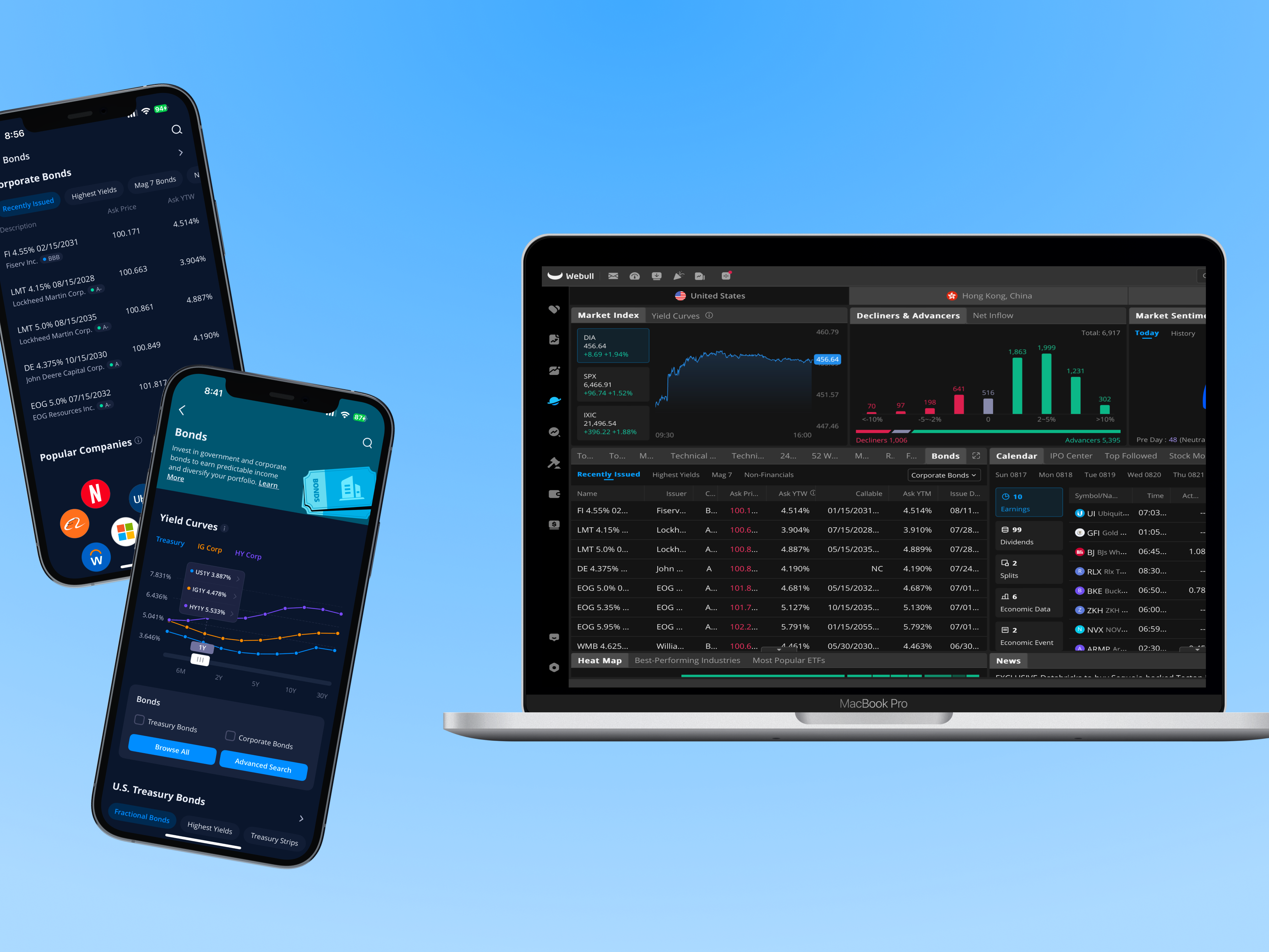
AI Assistant (Vega) — Webull
Start Date: Nov 2024. Continuously Evolving.
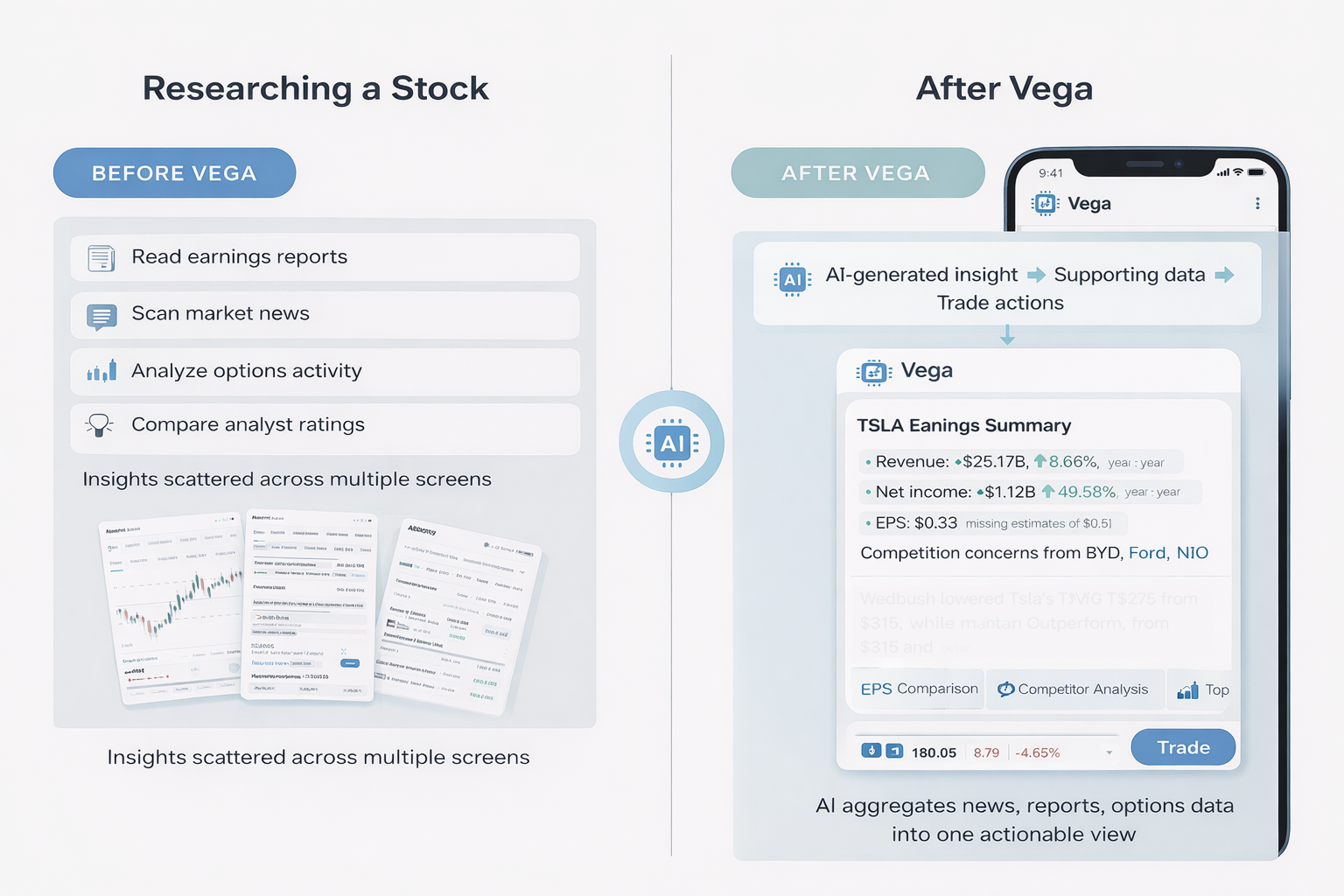
Retail traders are surrounded by data — earnings reports, market news, options flows, analyst ratings, and charts.
Yet making a single investment decision often requires navigating multiple screens, interpreting complex metrics, and piecing together insights manually.
Vega was designed to change that.
As Webull’s AI-powered assistant, Vega transforms fragmented financial data into clear, contextual insights, helping traders understand the market faster and act with greater confidence.
Additionally, it reduces reliance on customer support by answering common investment questions in-app.
Role: Product UX/UI Designer
Platform: Webull Mobile App
Project Type: AI Feature Design, 0 → 1 Launch
Scope: AI assistant experience, interaction flows, and UI design
Team: Product Managers, AI Engineers, Developers
Key Design Insights
Insight 1 — Traders Don’t Lack Data, They Lack Interpretation
Users already have access to charts, financial reports, and news — but interpreting the data requires time and expertise.
Design Response:
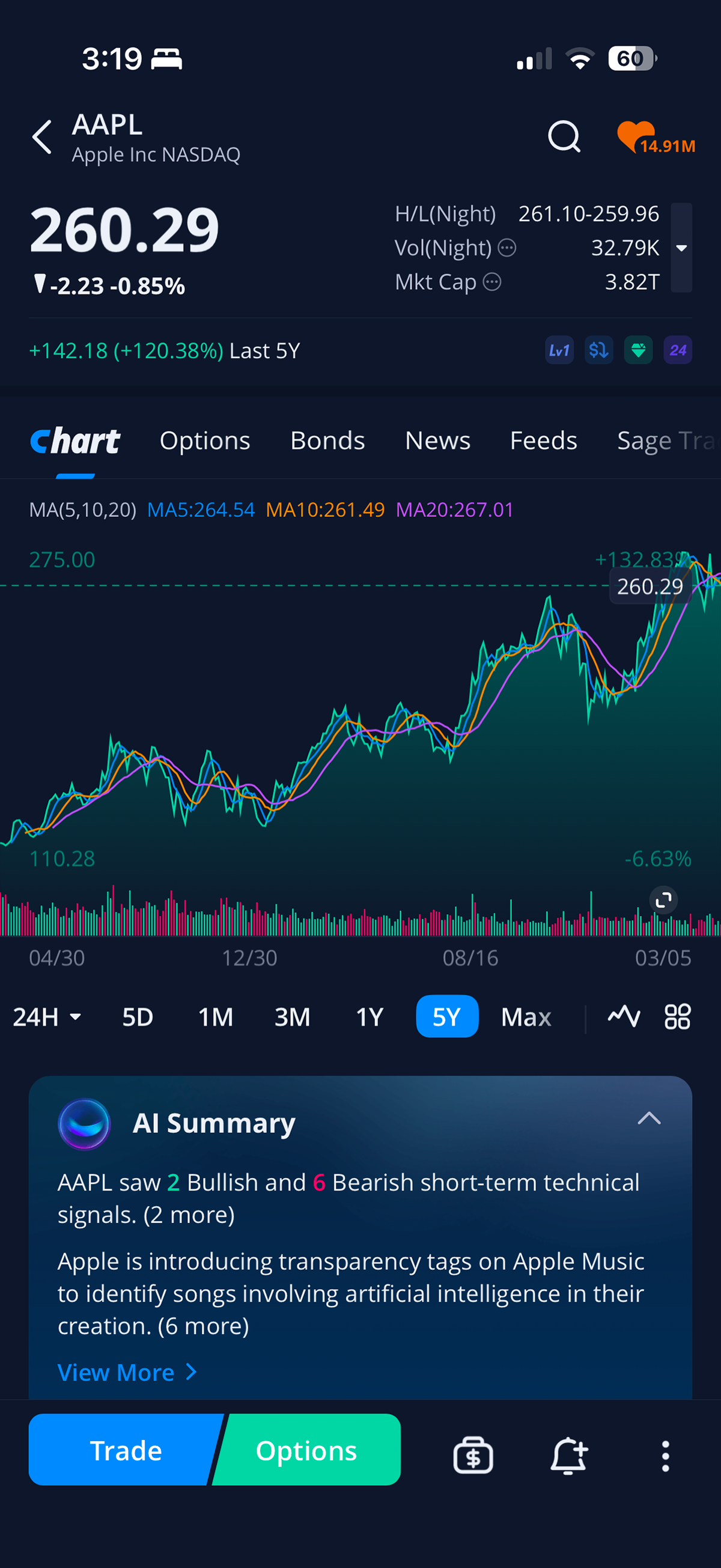
Vega focuses on summarizing insights rather than displaying more raw data, using structured AI summaries and highlighted key metrics.
Insight 2 — AI Must Be Contextual
A generic chatbot adds friction because users must leave their workflow to ask questions.
Design Response:
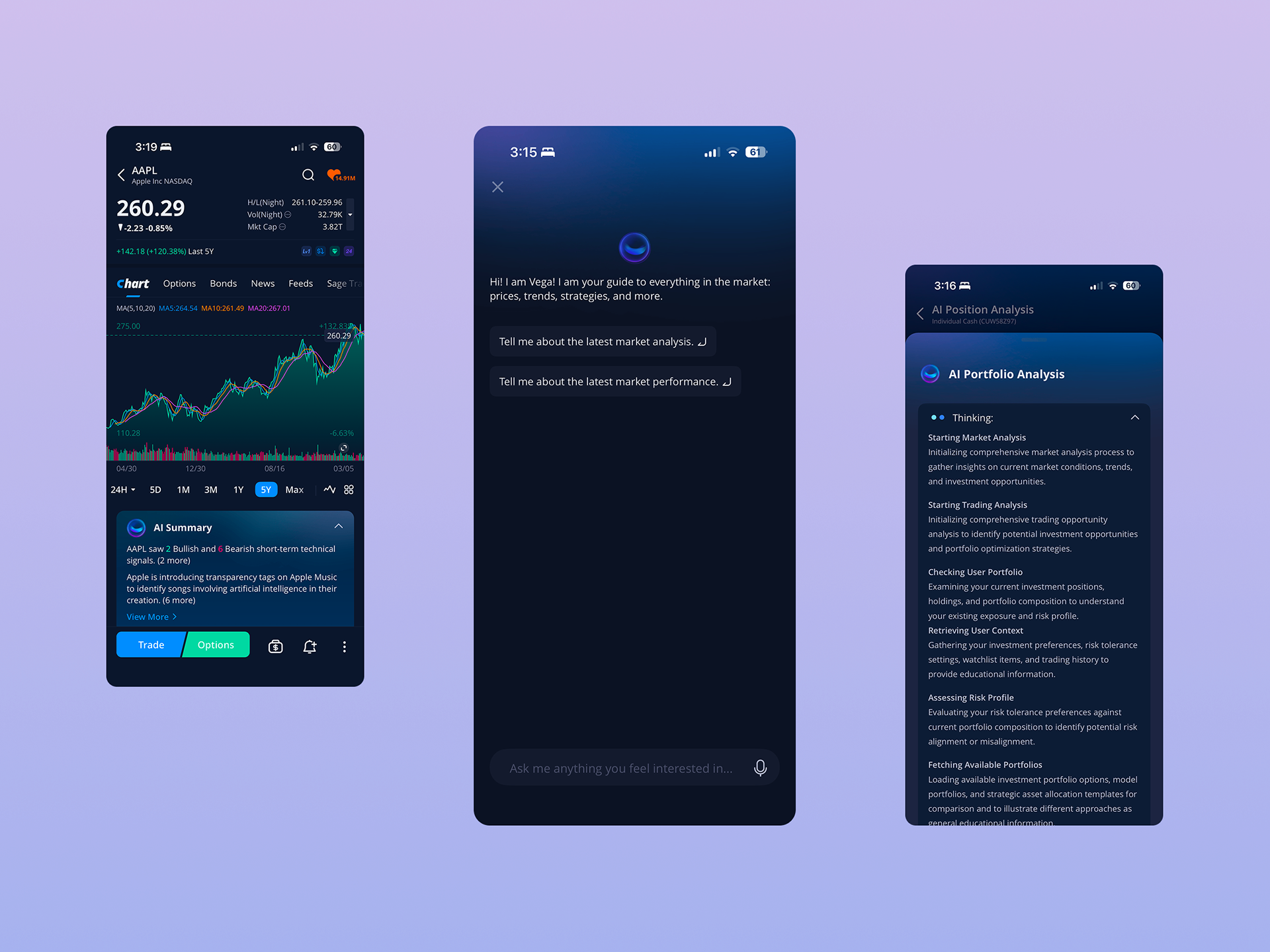
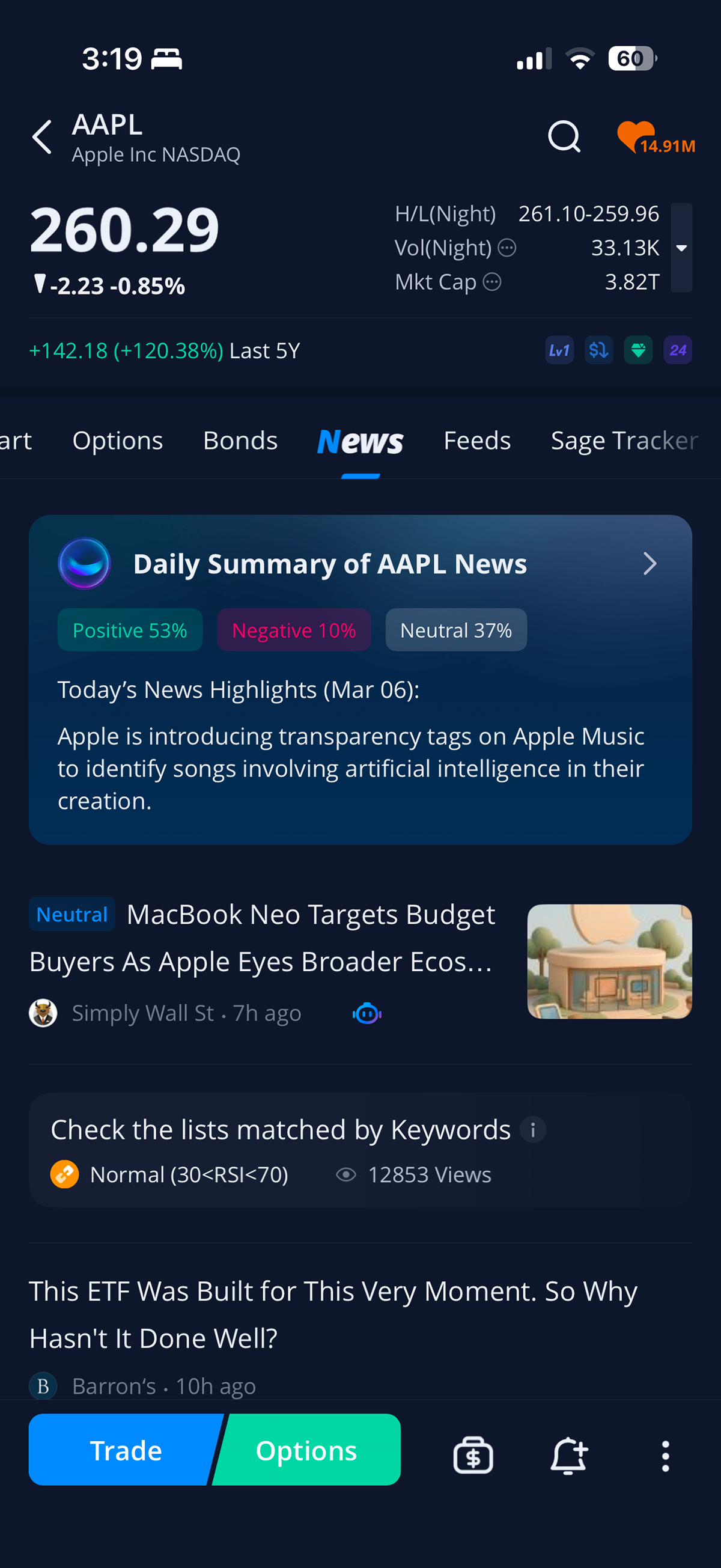
Vega is embedded within existing trading surfaces, appearing alongside stock pages, portfolio views, and market screens. This keeps AI insights close to where decisions happen.
Insight 3 — Financial AI Must Be Trustworthy
Investors are cautious about automated advice.
Design Response:
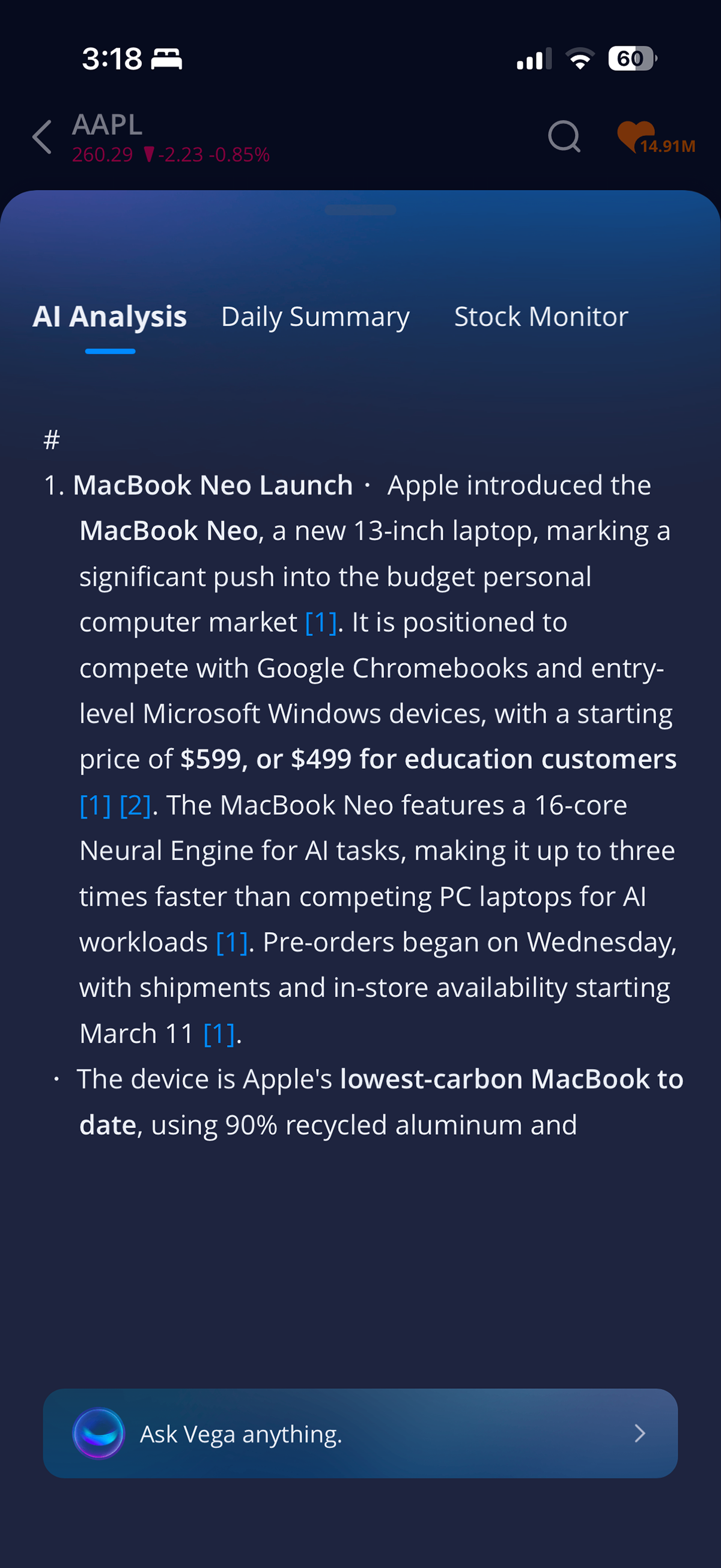
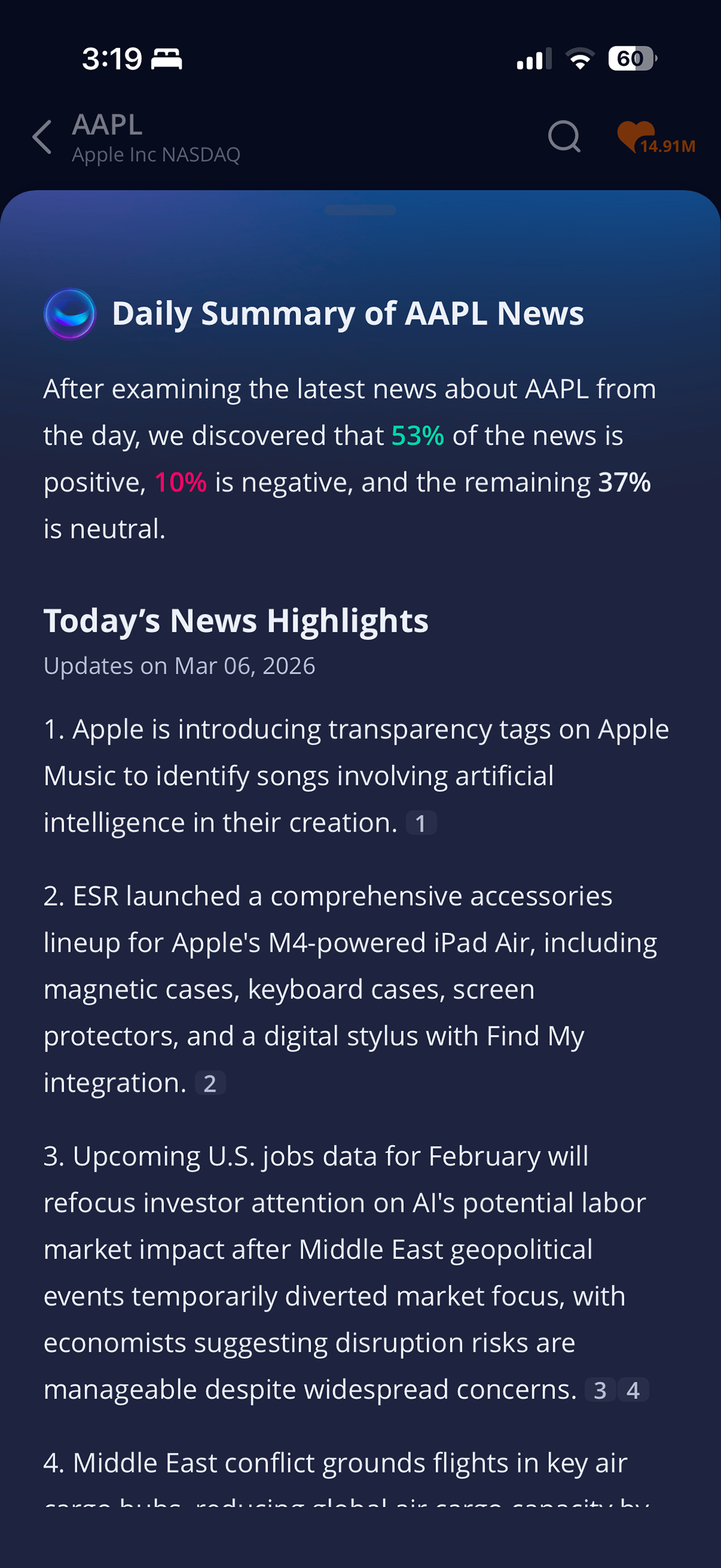
The design prioritizes transparency and explainability, including: 1) Clear distinction between data vs AI interpretation. 2) Access to underlying financial metrics. 3) Source references for insights
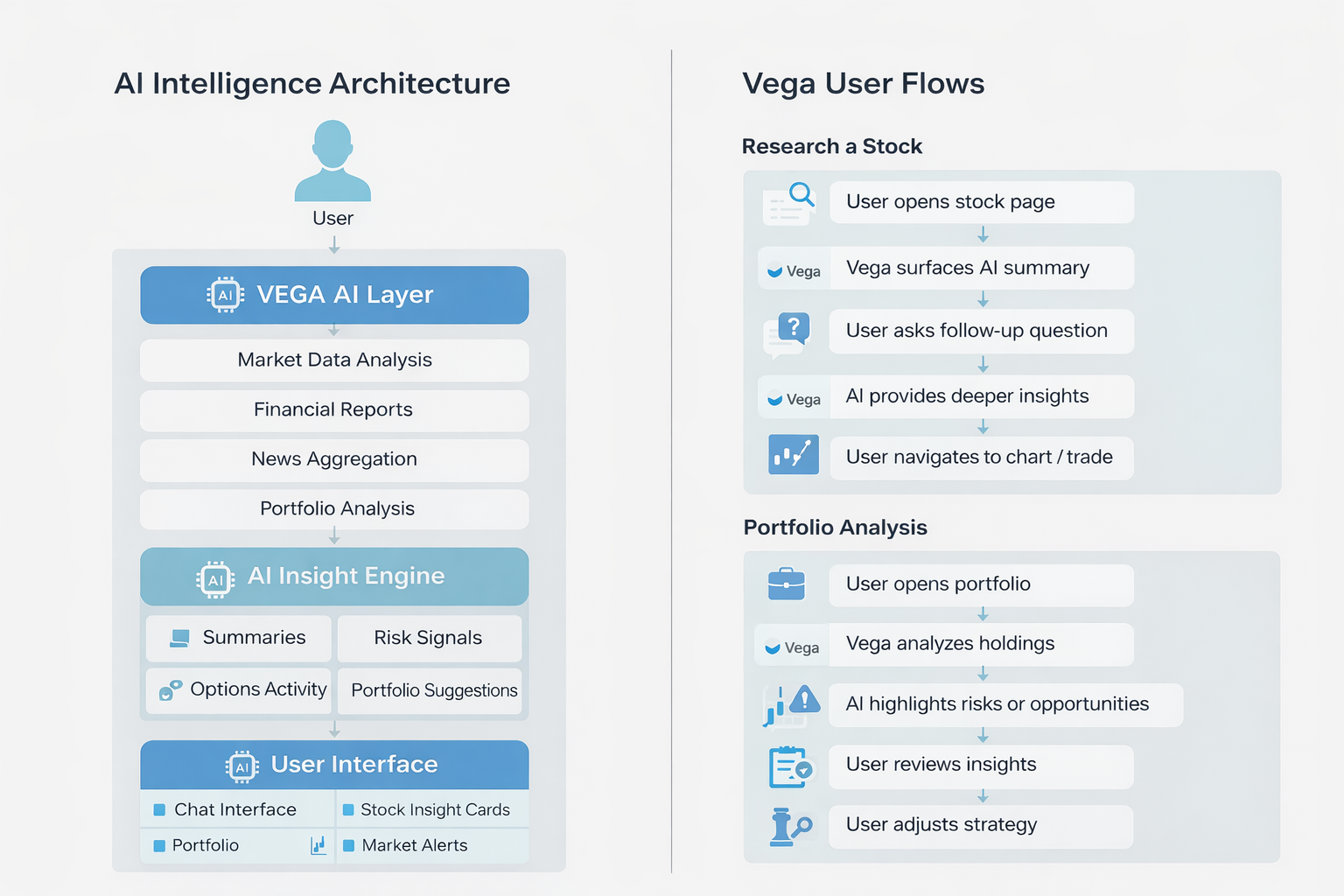
Architecture & Flows
Wireframe
Chatbot/Natural Language Interaction:
Users can ask questions about market trends, companies, or trading strategies and receive contextual responses.
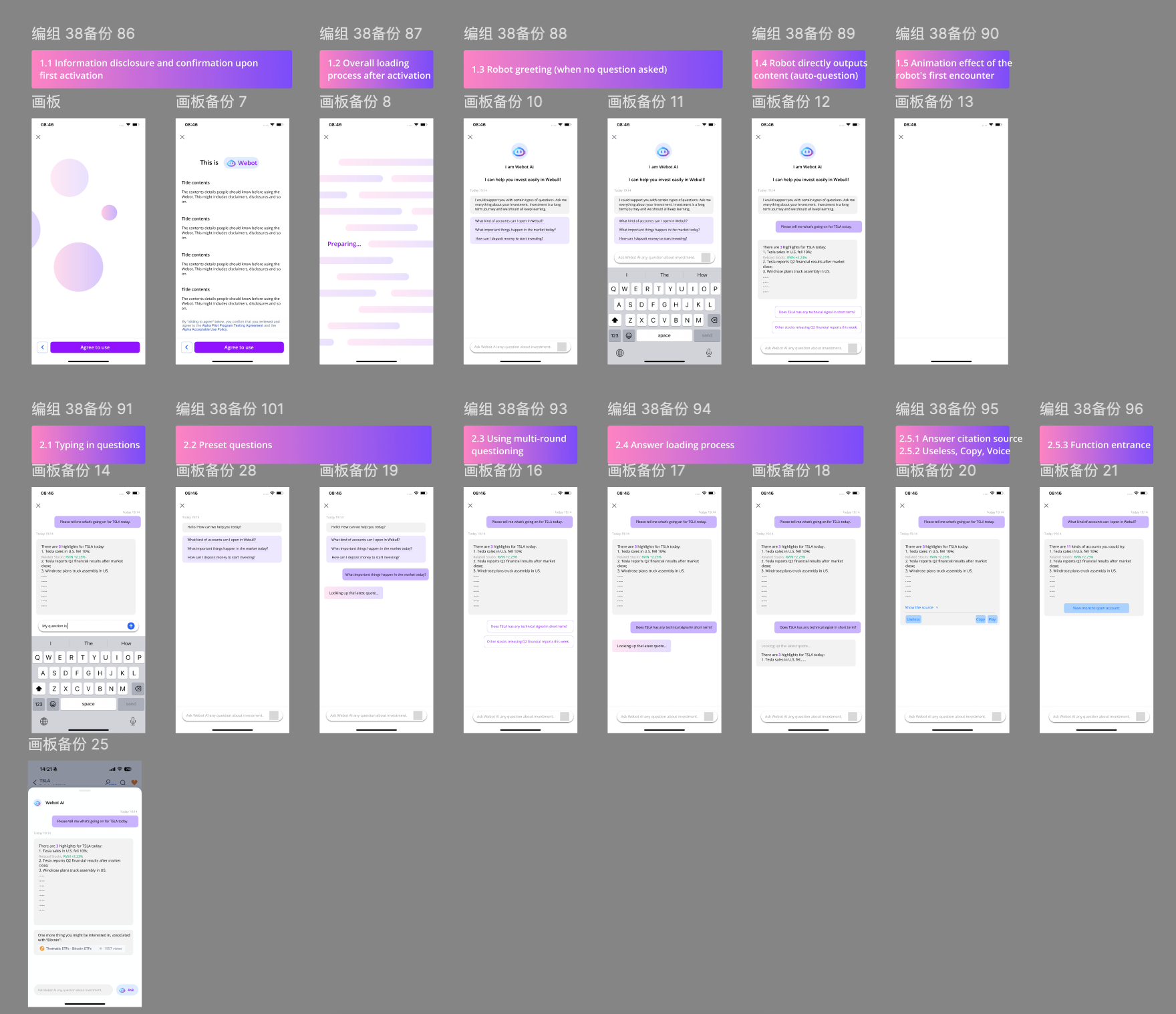
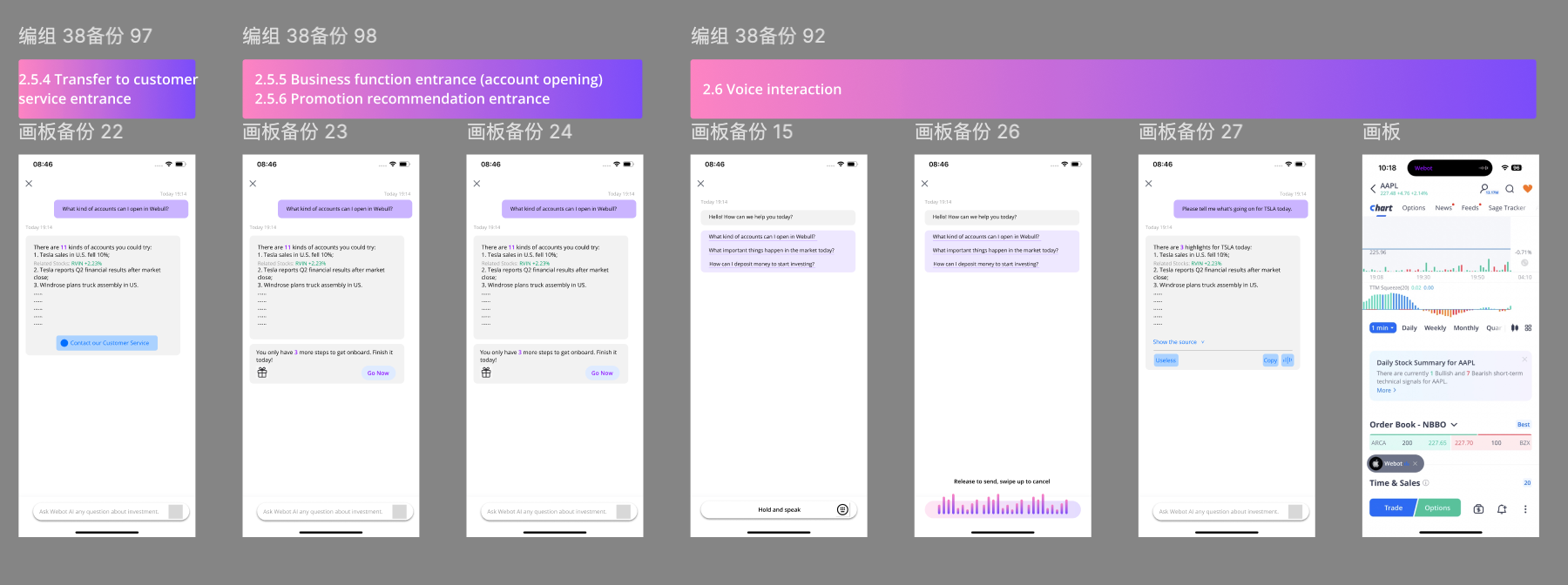
Vega combines several intelligent capabilities within the Webull ecosystem:
Market & Data Summaries - AI-generated summaries synthesize earnings reports, financial filings, and market news into digestible insights.
Portfolio Analysis - The system evaluates a user’s holdings and identifies potential risks, diversification gaps, or strategy misalignments.
Options Insights - Advanced analytics highlight unusual options activity and sentiment signals to help traders identify opportunities.
Personalized Alerts - Real-time AI insights adapt to watchlists and portfolio changes.
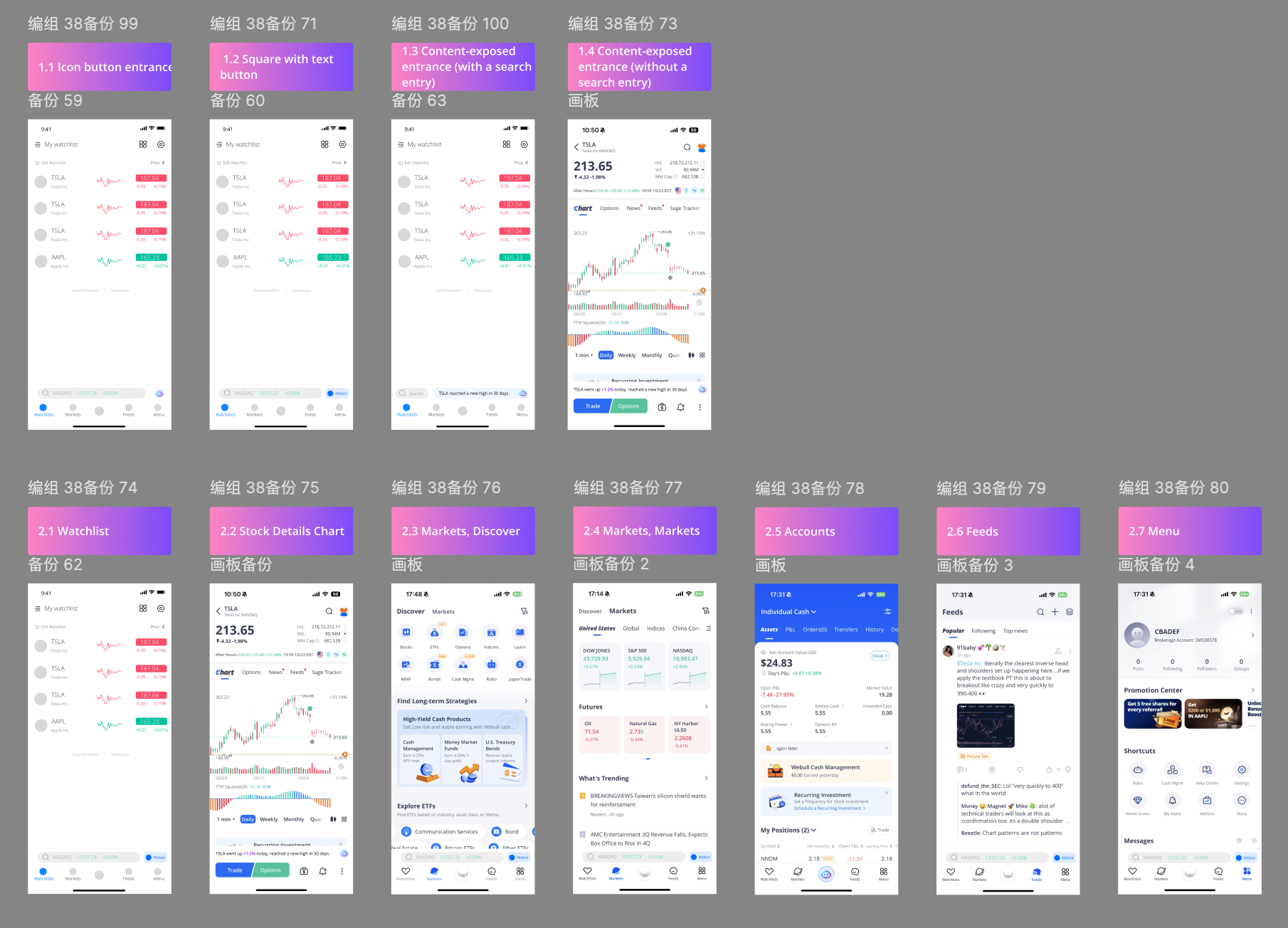
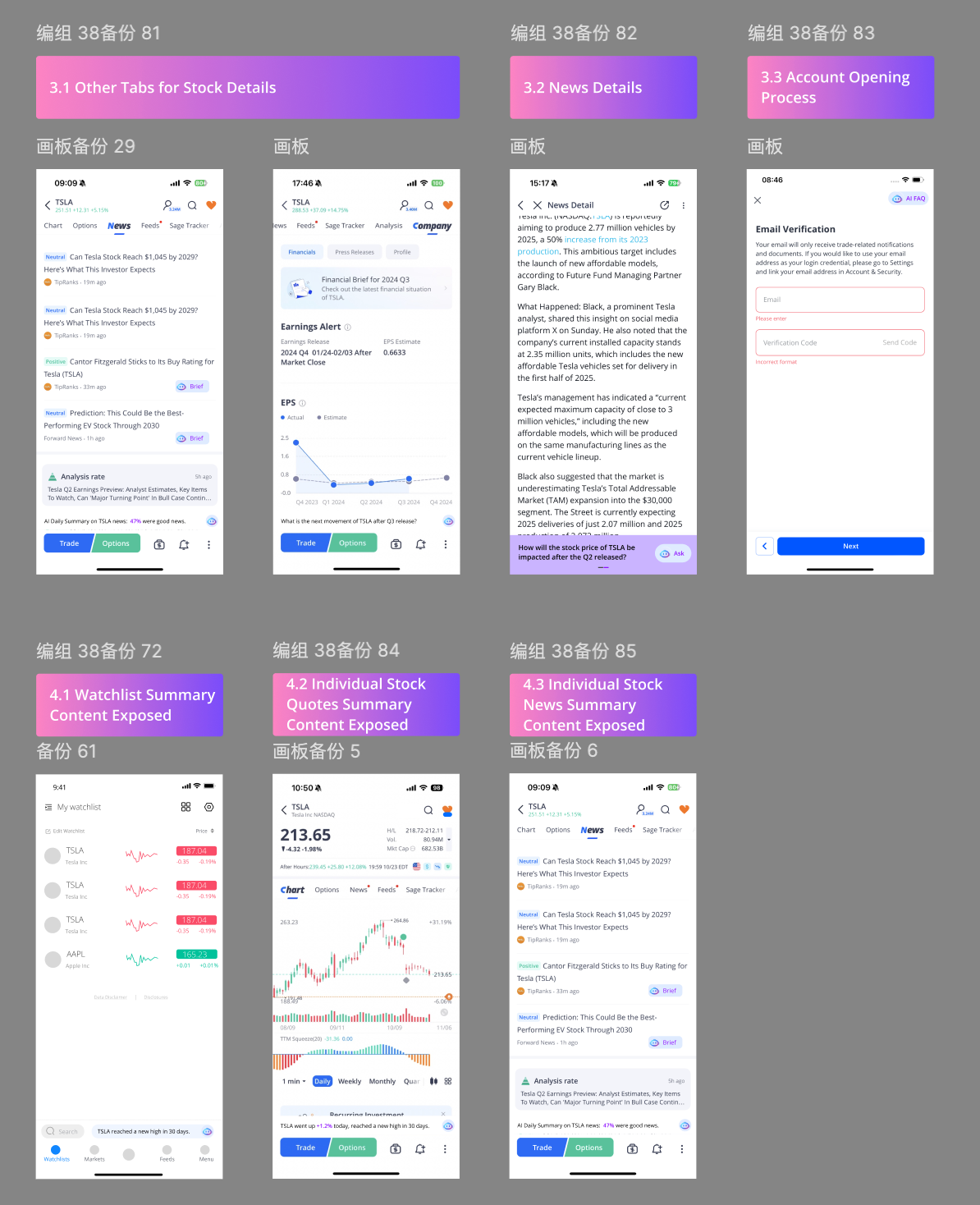
Design Challenges
Designing AI Without Overwhelming the UI: Trading apps already contain dense data layers. Adding AI insights required careful prioritization of information hierarchy and progressive disclosure.
Balancing AI Guidance With User Control: Financial decisions require user trust. The experience was designed so that AI supports decision-making but never replaces user judgment.
Maintaining Speed for Active Traders: The interface had to deliver insights quickly and scannable, allowing traders to interpret information within seconds.
Final UI (Main Pages)



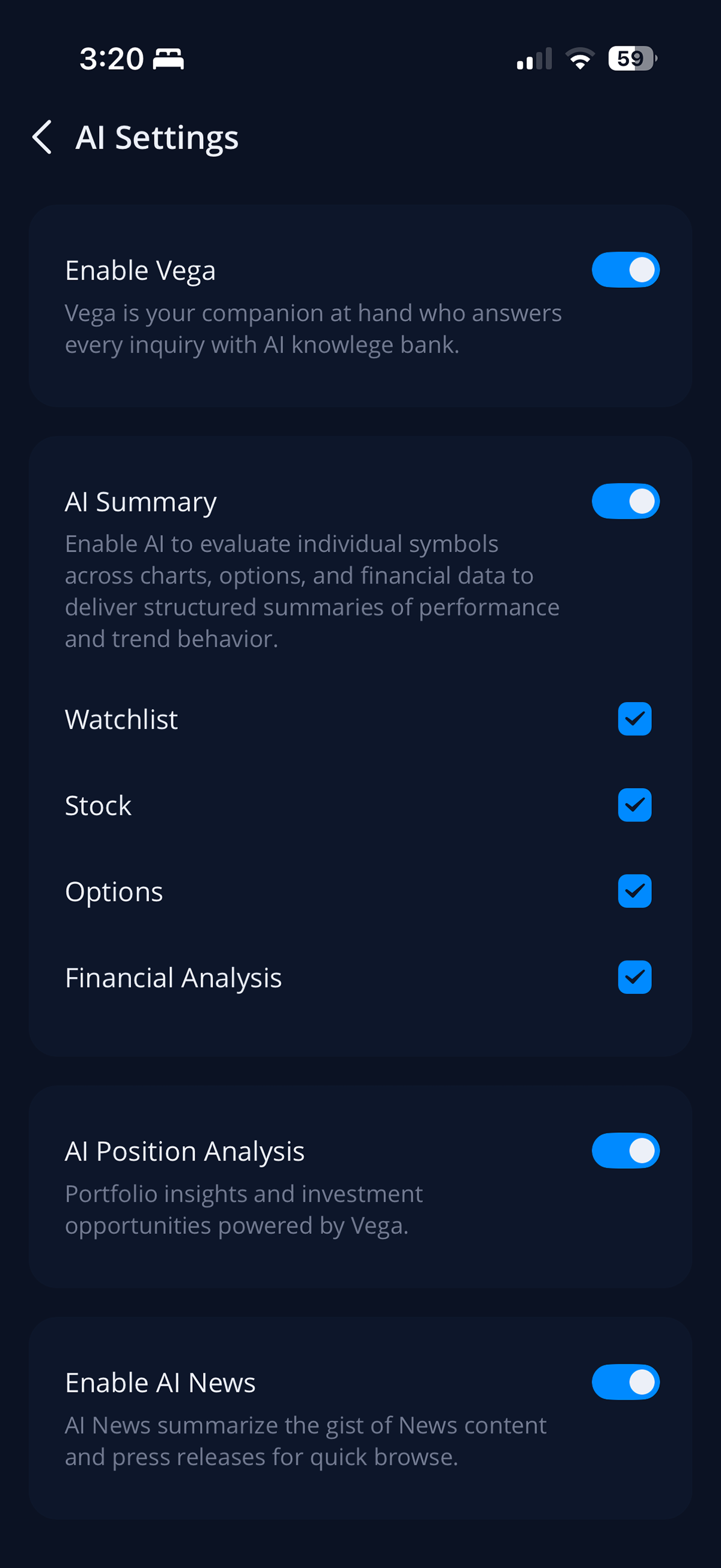
Outcome
The Vega feature enhances Webull’s trading experience by:
1. Reducing research friction for traders
2. Delivering real-time contextual market insights
3. Helping users interpret complex financial signals
4. Integrating AI into everyday investment workflows
The feature establishes a foundation for future AI-powered capabilities within the Webull ecosystem.
Operational Impact:
Beyond improving the user experience, Vega also delivers internal efficiency gains.
Many user inquiries to the customer support team are related to market interpretation, product features, or trading mechanics. By surfacing contextual explanations and insights directly in the interface, Vega helps users resolve questions independently.
This reduces the volume of support tickets and repetitive inquiries, allowing the Customer Support team to focus on more complex cases.
Key Takeaways
This project reinforced that designing AI for fintech is not about building a chatbot — it’s about embedding intelligence into decision-making workflows.
• AI should augment workflows rather than interrupt them
• Contextual insights are more valuable than raw data
• Trust and transparency are critical for financial AI
• The best AI experiences are fast, explainable, and actionable
• Contextual insights are more valuable than raw data
• Trust and transparency are critical for financial AI
• The best AI experiences are fast, explainable, and actionable